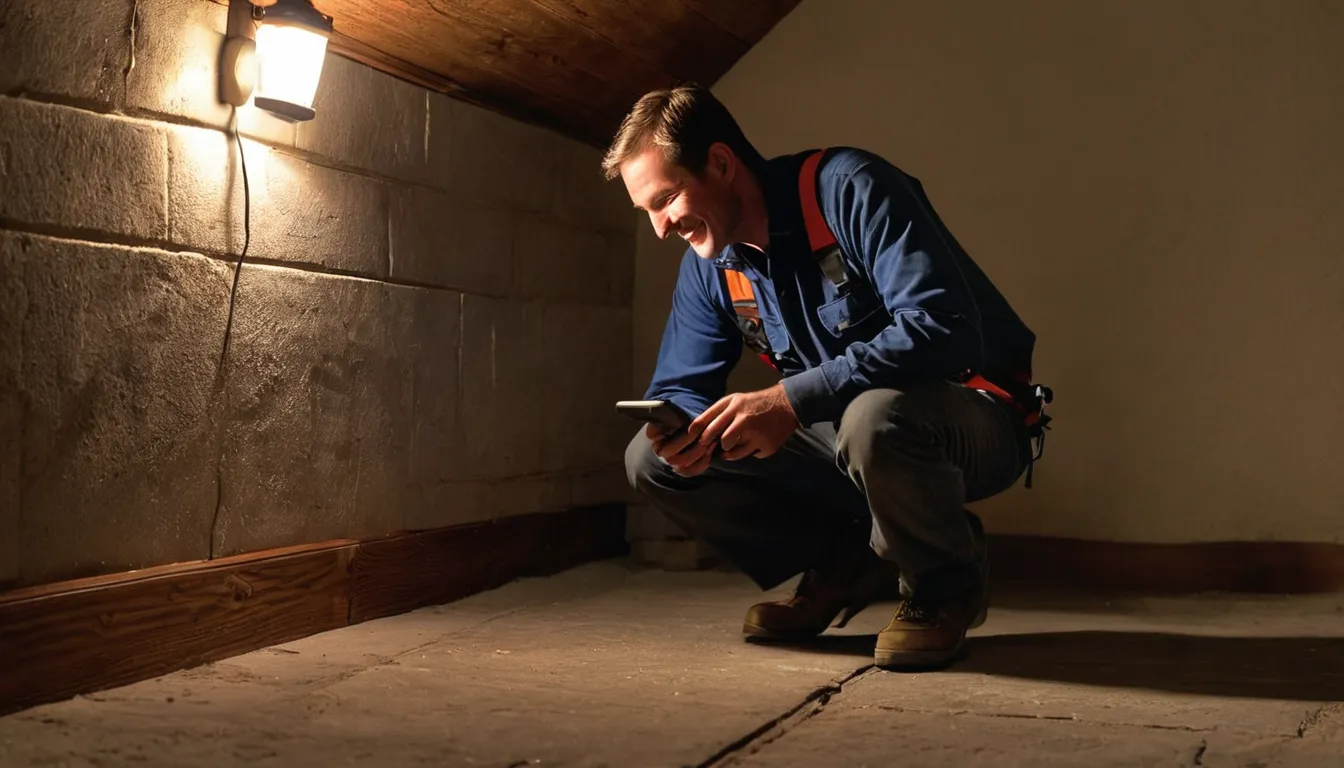
Termites chew wood from the inside, so the first sign is often small. A mud tube on the basement wall. A pile of wings on a windowsill. A board that sounds hollow. If this is your first time seeing any of it, you are not alone, and you have time to do this the right way.
Floodolympics Pest Control is a referral service. We do not treat homes. We help you record what you found, then connect you with an independent provider in our network serving the Brockton area. Take photos, jot notes, and request an estimate. Know when to stop poking at the wood and let a pro take over.
Think You Have Termites? Start Here
Found mud tubes, loose wings or soft wood? Take a breath. Termites work slowly, so you have time to do this right. But do not let it sit for months.
The plan is simple. Snap it, note it, then bring in a provider. Records first, then call.
Your First Ten Minutes
- Take one wide photo and two close-ups of every spot you find.
- Jot the date, the room and what you saw.
- Put any wings or bugs in a zip bag or tape them to an index card.
- Leave the damage alone. Do not spray, scrape or pull boards out.
Why Termites Need Prompt Attention
Termites eat the wood that holds your house up. They hide behind walls, under floors and inside beams. By the time wood looks bad, the colony has often been busy for a while.
Older homes in cold, snowy areas face extra risk. Full basements and stone or block foundations put wood sills close to damp ground. Spring snowmelt and freeze-thaw cycles keep that soil wet, and termites like wet soil.
Know the Warning Signs
Walk your home with a flashlight. Check these spots:
- Mud tubes: pencil-width dirt tunnels running up a foundation or beam.
- Wings: small, pale, matching wings piled near windows or doors.
- Hollow wood: boards that sound papery when you tap them.
- Bubbling or peeling paint on walls or trim.
- Doors and windows that suddenly stick.
- Tiny pellets that look like sawdust or coffee grounds.
Swarmers or Flying Ants?
A swarmer is a winged termite that leaves the colony to start a new one. Flying ants look similar. Check the body. Termites have a thick, straight waist and straight antennae. Ants have a pinched waist and bent antennae. Snap a close photo if you can.
The Safe Tap Test
Tap suspect wood with the handle of a screwdriver. Press lightly. If it sounds hollow or gives way, stop. Take a photo and write down the spot. Do not dig in.
Types of Termites
Providers sort termites by where they live. Knowing the type helps you follow the estimate.
Subterranean Termites
These nest in soil and travel up through mud tubes. They are the most common kind in cold regions. They need moisture, so look near leaks, sills and slab edges.
Drywood and Dampwood Termites
Drywood termites live inside dry lumber and leave small pellets. Dampwood termites like wet, rotting wood. A provider can tell you which one you have from the photos and a short visit.
Where to Look in Older Homes
Start in the basement. Check the wood sill plate, which is the board that rests on top of the foundation. Look at gaps where stone or block walls meet wood. Check porch posts, crawl spaces, and any wood stacked against the house.
In Cape Cod style homes, peek into low knee-wall spaces. In a multi-family building, tell your landlord or neighbors. Termites do not stop at shared walls.
Know When to Stop
Store-bought sprays only kill the bugs they touch. The colony stays hidden. Ripping out wood can also scatter termites and make the job harder to inspect.
Safe DIY steps are limited: fix drips, move firewood away, clear gutters and take photos. Everything else belongs to a provider.
Build Your Paperwork File
Make one folder, on paper or on your phone. Put in dated photos, your notes, and any receipts. Add copies of past inspection reports if you have them.
Some policies may cover sudden damage, but termite damage is often treated as a maintenance issue. Check your policy and ask your agent. Providers can often help document damage for a claim.
How Termite Treatment Works
Every provider does it a little differently. Here is the usual order.
Inspection First
The provider checks the foundation, basement, attic and crawl spaces. They look for live activity, damage and moisture problems. Then they write up what they found.
Liquid Barriers and Bait Stations
A liquid barrier is a treated strip of soil around the foundation. Bait stations are small stakes in the ground that termites carry back to the colony. Some jobs use both.
Spot Treatment of Wood
For drywood termites, a provider may treat the affected wood directly. Large infestations can need wider work. Ask what is planned and why.
Termite Inspections for Home Sales
Buyers and lenders often ask for a wood-destroying insect report. Order it early so you have time to act on the results. Keep every report and treatment record in your folder. A clean paper trail makes a sale smoother.
Choosing a Termite Provider
Get two or three written quotes. Ask:
- What type of termite did you find?
- What method will you use, and how long does it last?
- Are follow-up visits included in the quote?
- What repairs are not part of the price?
A clear, itemized quote is a good sign. Vague answers are not.
After Treatment
Keep wood off the soil. Fix leaks. Clean gutters before snowmelt. Pile snow away from the foundation. Keep vents clear.
Re-shoot your original photos each season and compare them. If you see new activity, tell your provider.
Ready for the Next Step?
You have your photos and your notes. Now let a local provider take a look.
What's Included
Inspection Visit
A provider checks the foundation, basement and crawl spaces for live activity, damage and moisture problems.
Treatment Plan
A written plan explains the method, the areas covered and what to expect.
Barrier Options
Treated soil barriers or bait stations can protect the home from subterranean colonies.
Follow-Up Checks
Many providers schedule return visits to confirm activity has stopped and note changes.
Typical Termite Treatment Costs
Prices vary by home size, termite type and the method used. These are typical U.S. ranges only. Always get a written quote before you agree to any work.
| Service | Typical range | Notes |
|---|---|---|
| Termite inspection | $75 – $300 | Some providers include it with treatment |
| Liquid soil barrier | $1,200 – $2,500 | Based on foundation length and access |
| Bait station system | $1,500 – $3,500 | Often includes monitoring visits |
| Spot wood treatment | $250 – $900 | Suits small, localized areas |
| Whole-structure drywood treatment | $1,500 – $8,000 | Depends on size and method |
| Annual monitoring plan | $200 – $600 | Varies by provider and terms |
How It Works
Snap and Note
Photograph every sign. Write down the date, the room and what you saw.
Hold Off
Do not spray or tear out wood. Leave the evidence in place.
Reach Out
Request a callback to check provider availability, or request an estimate online.
Compare Quotes
Review the written plans, ask questions and pick the provider that fits.
Why Call Floodolympics Pest Control
Records Before the Visit
Dated photos and notes help a provider size up the job and give a clearer quote.
Hidden Damage
Termites feed inside walls and beams, so a trained eye can find what you cannot see.
Plain Quotes
Providers in our network can explain the work in simple terms and in writing.
Local Know-How
Providers know how snowmelt and older foundations affect termites nearby.
Other Services
Need termite treatment help in Brockton?
Tell us what you found and where. Send a few photos if you have them, and we will point your request toward a local provider in our network.
No obligationTermite Treatment Help FAQ
How do I know if I have termites or carpenter ants?
Check the details. Termites have a thick waist and straight antennae. Ants have a pinched waist and bent antennae. Termites leave mud tubes. Ants leave clean sawdust piles. Take photos and ask a provider to confirm.
Can I treat termites myself with a store-bought spray?
Sprays only reach the bugs they touch, and the colony usually stays hidden. You can fix leaks, move wood away from the house and take photos. Real treatment is work for a licensed local provider, so stop there.
Will homeowners insurance pay for termite damage?
Often not, since many policies treat termites as a maintenance issue. Some policies may cover sudden damage, so check yours. Providers can often help document damage for a claim.
Reach a local provider
Tell us what you found and where. Send a few photos if you have them, and we will point your request toward a local provider in our network.
No obligation